Evergreen briefing
Gambling and regulation in the United Kingdom
A factual arc from early wagering cultures to today’s UKGC-licensed remote market — written for readers who want context, not headlines.
Gambling in Britain is older than any single Act of Parliament. Horse racing, private wagers and early lotteries sat in a grey social space long before remote casinos existed. What changed over centuries is not the human appetite for chance, but the state’s decision to licence, tax and constrain it.
Payline Ledger focuses on modern online comparison, yet licensing only makes sense against that longer regulatory spine. The notes below stick to widely established milestones.
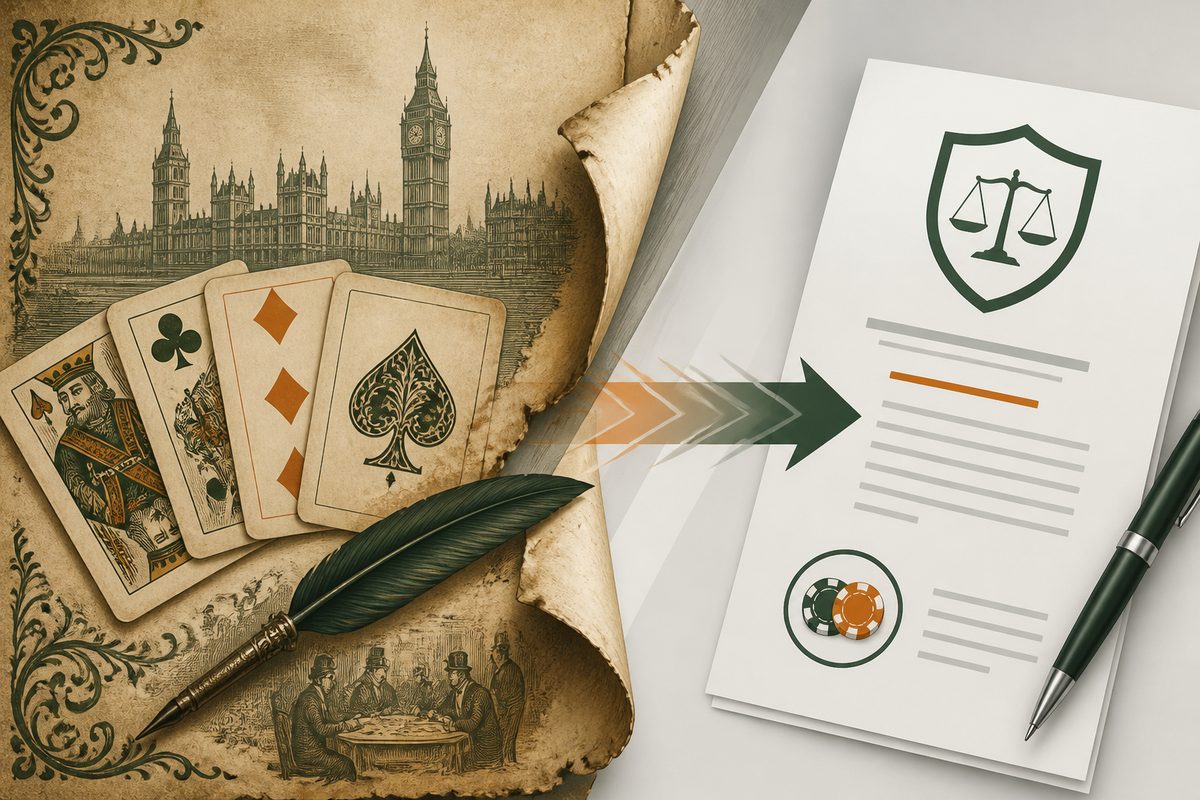
Timeline
Milestones that still shape today’s market
-
18th–19th centuries
Lotteries, racing and early controls
State lotteries and racecourse betting became familiar features of public life. Parliament periodically intervened against unlicensed gaming houses while racing cultures normalised organised wagering for many communities.
-
1906 & 1960
Street betting restrictions, then licensed shops
The Street Betting Act 1906 targeted cash betting in public places. The Betting and Gaming Act 1960 later allowed licensed betting offices, bringing off-course cash betting into a regulated high-street form that defined late-20th-century Britain.
-
1968
Gaming Act and casino clubs
The Gaming Act 1968 framed land-based casino and bingo regulation, including membership and supervision requirements that kept commercial gaming under tighter watch than informal play.
-
2005–2007
Gambling Act and the Commission
The Gambling Act 2005 modernised the legal framework across betting, gaming and lotteries. The UK Gambling Commission became the specialist regulator, with licensing objectives covering crime prevention, fairness and protecting the vulnerable — including children.
-
2014 onwards
Remote supply into Britain
Reforms required operators that serve British consumers remotely to hold a UK licence, bringing overseas-facing online brands into the Commission’s remit. Advertising, affordability expectations and safer-gambling duties have continued to tighten under that umbrella.
-
Self-exclusion era
GAMSTOP and player tools
National online self-exclusion via GAMSTOP, alongside operator-level limits and reality checks, became part of the expected protection toolkit for licensed remote gambling — a practical expression of the Commission’s consumer-protection objective.
This page is educational context for adults. It is not legal advice and does not list every statute or amendment. For current licence conditions, consult the UK Gambling Commission.
Why this history matters on a comparison site
When we rank Sky Vegas, Jackpotjoy or any other UK-facing brand, the first question is whether they sit inside this licensed framework. That filter is not nostalgia — it is the difference between a regulated product with complaint routes and an unlicensed offer outside British consumer protections.
Further reading on how software fairness is evidenced sits in our Behind the RNG guide.